
Skip to content

Engineering‑Led Additive Manufacturing for Real Operational Challenges

Define the problem. Engineer the solution. Unleash the additive advantage.

Manufacturing challenges don't always have straightforward solutions. Optimal solutions to manufacturing challenges haven't always been economical…now they can be!

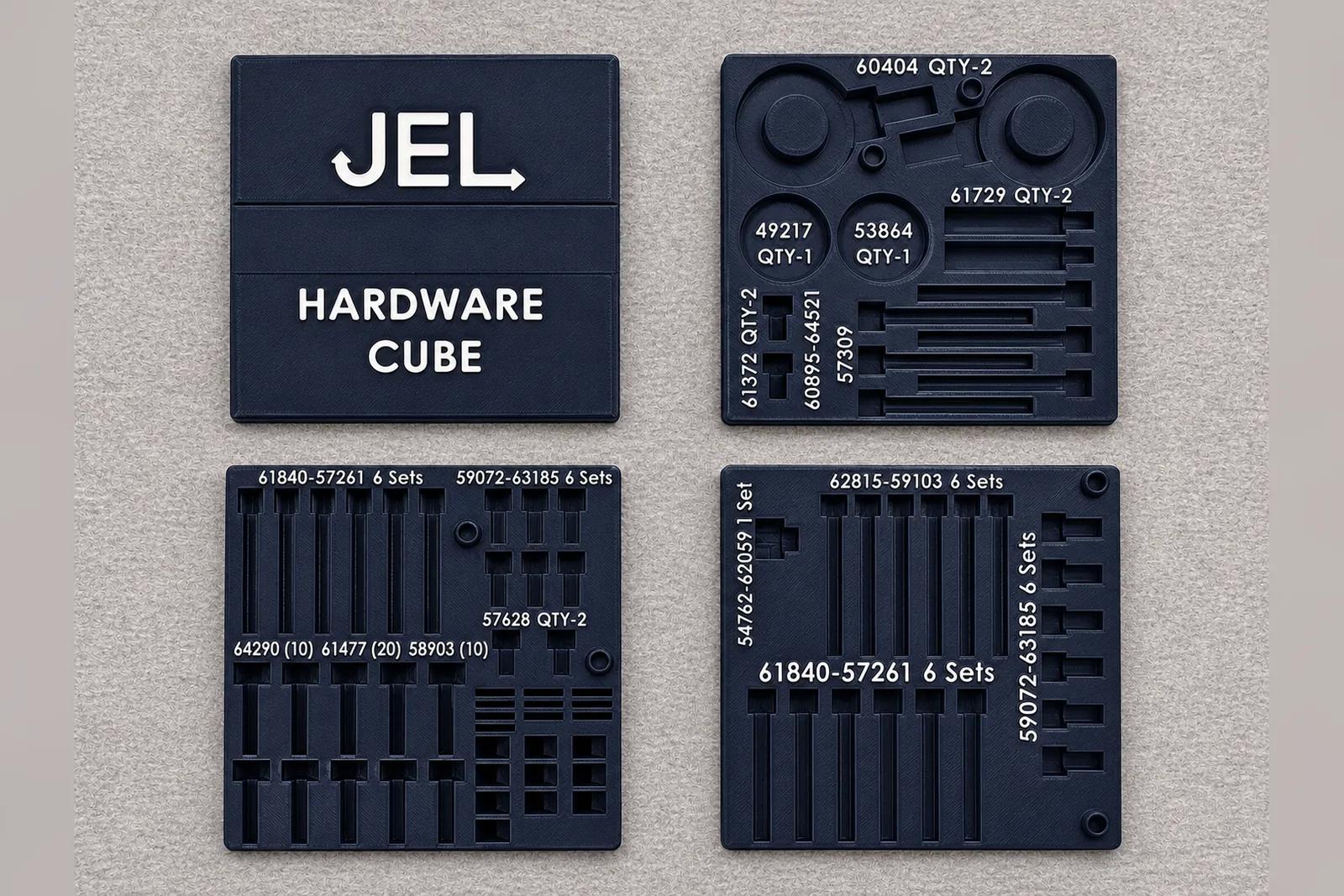
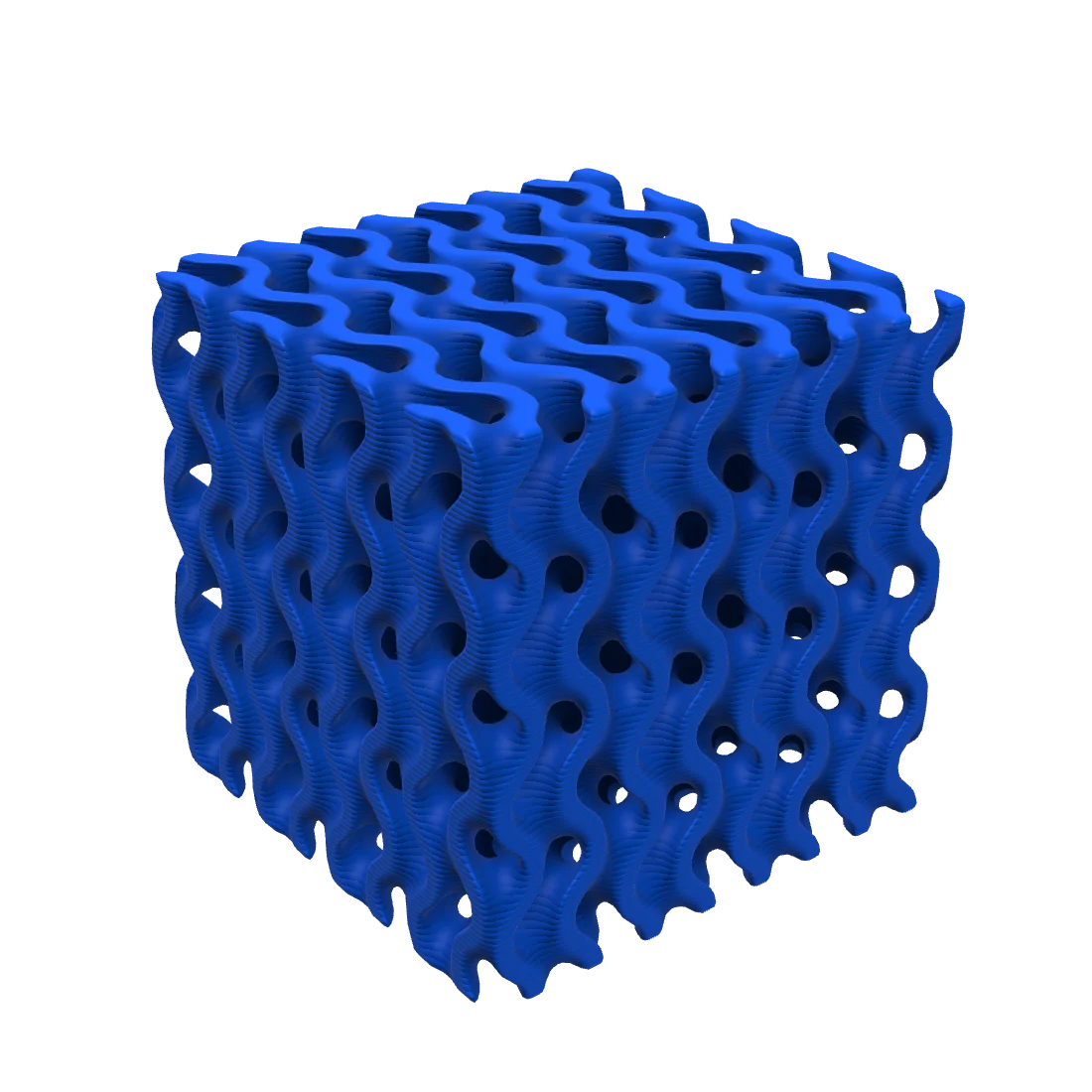
3D-printed gyroid lattice cube, the JEL additive manufacturing motif

Unleashing the Additive Advantage

At JEL Solutions, we combine practical manufacturing experience, engineering expertise, and additive manufacturing to help manufacturers solve production problems, develop specialized components, and explore new ways to improve their operations.

We look beyond the part to understand how it will be used, the challenge it needs to address, and what better solutions make possible.

Modern Manufacturing Challenges Require Better Solutions.

The right solution begins with defining the problem.

Every manufacturing operation faces obstacles that affect safety, delivery, quality, and cost.

Sometimes the answer is a custom component. Other times, it means reconsidering how a part is designed, how materials are handled, or how an existing process works.

JEL helps manufacturers examine these challenges and identify where an engineered additive manufacturing application may provide a practical alternative.

  • When replacement parts are expensive, difficult to obtain, or no longer readily available, an application-specific additive manufacturing solution offers another way forward.

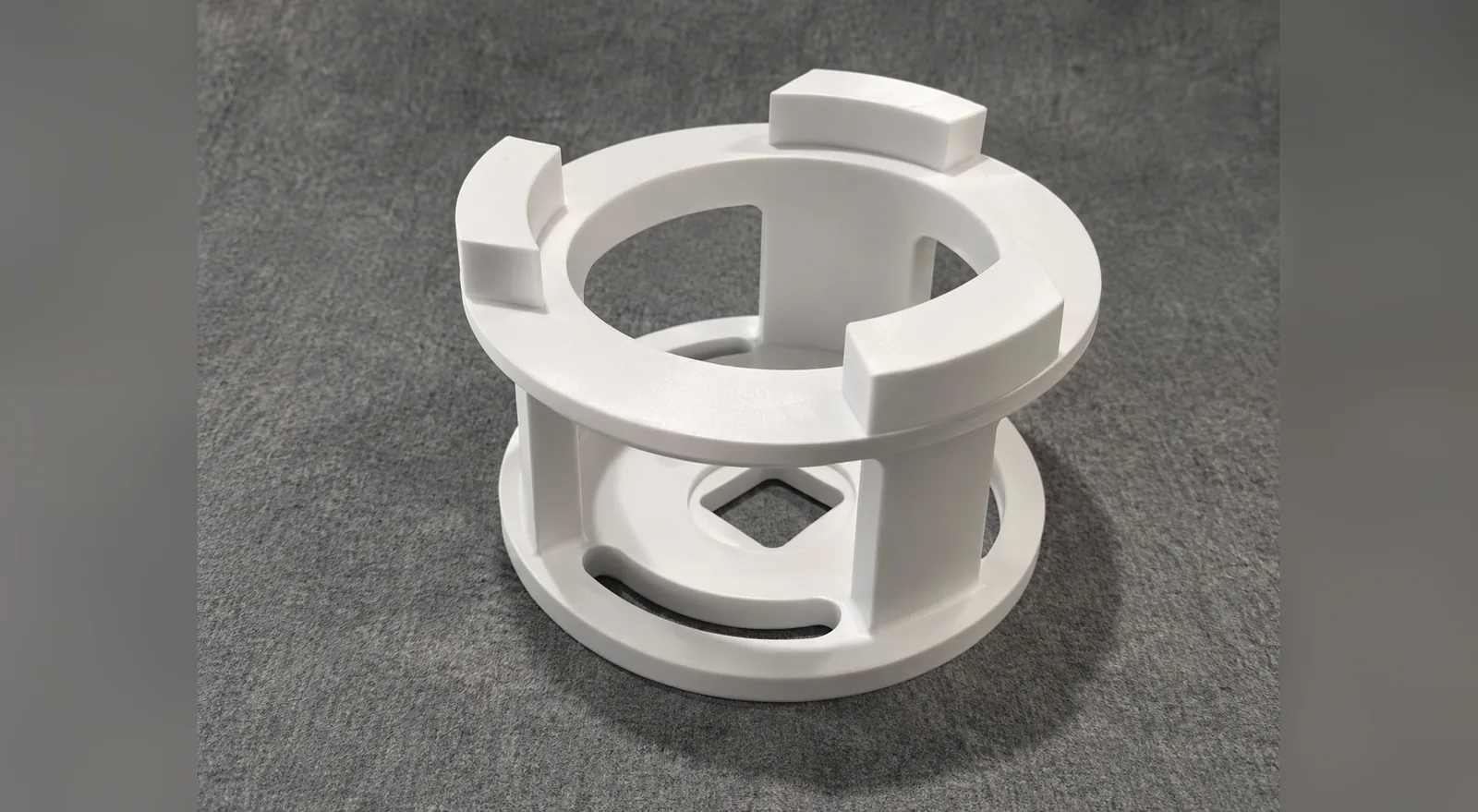
    White additively manufactured component with a ring frame and raised locating tabs
  • Standard tools and components aren't always designed for the realities of a particular production process. Custom fixtures, supports, and tooling can address requirements that off-the-shelf products may not meet.

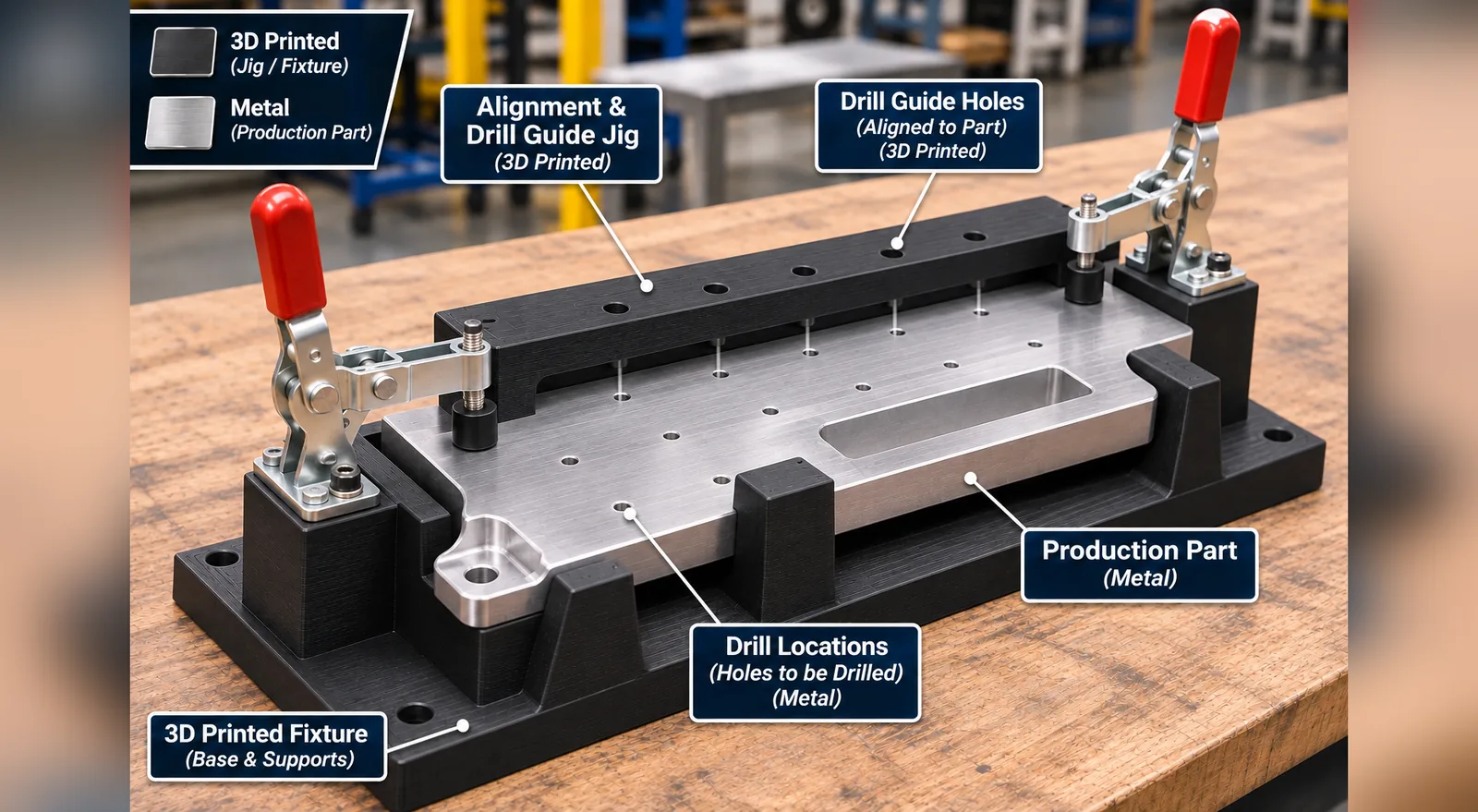
    Additively manufactured alignment and drill guide jig holding a metal production part, with labelled features
  • Component damage, alignment variation, and other recurring quality issues can signal a need to rethink how parts interact with equipment, people, and processes.

  • How components are transported, positioned, organized, and handled can influence daily operations. Purpose-built applications may help address wasted motion and process bottlenecks.

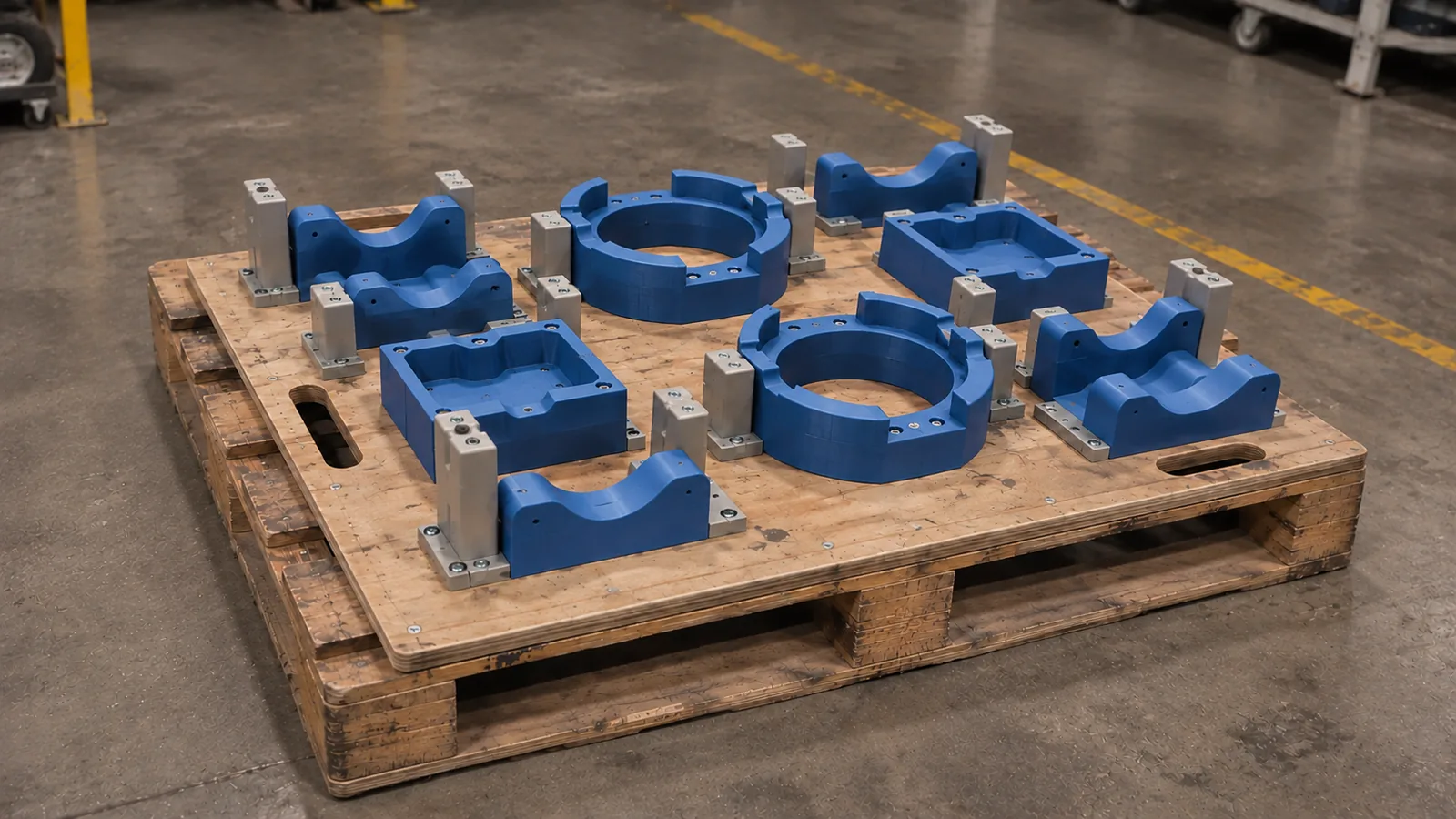
    Blue additively manufactured cradles and fixtures mounted on a pallet on a shop floor
  • Manufacturing teams have competing priorities. JEL can operate autonomously or collaborate with internal teams to evaluate suitable applications and develop solutions that might otherwise be difficult to pursue.

Engineering Expertise Meets Additive Manufacturing.

From identifying an opportunity to developing an application and supporting what comes next.

JEL supports manufacturers at different stages of the problem-solving and production process.

Some customers come to us with an operational challenge that needs investigation. Others have a defined component, drawing, or production requirement.

In either situation, our work begins with understanding the application and offering an appropriate technical approach.

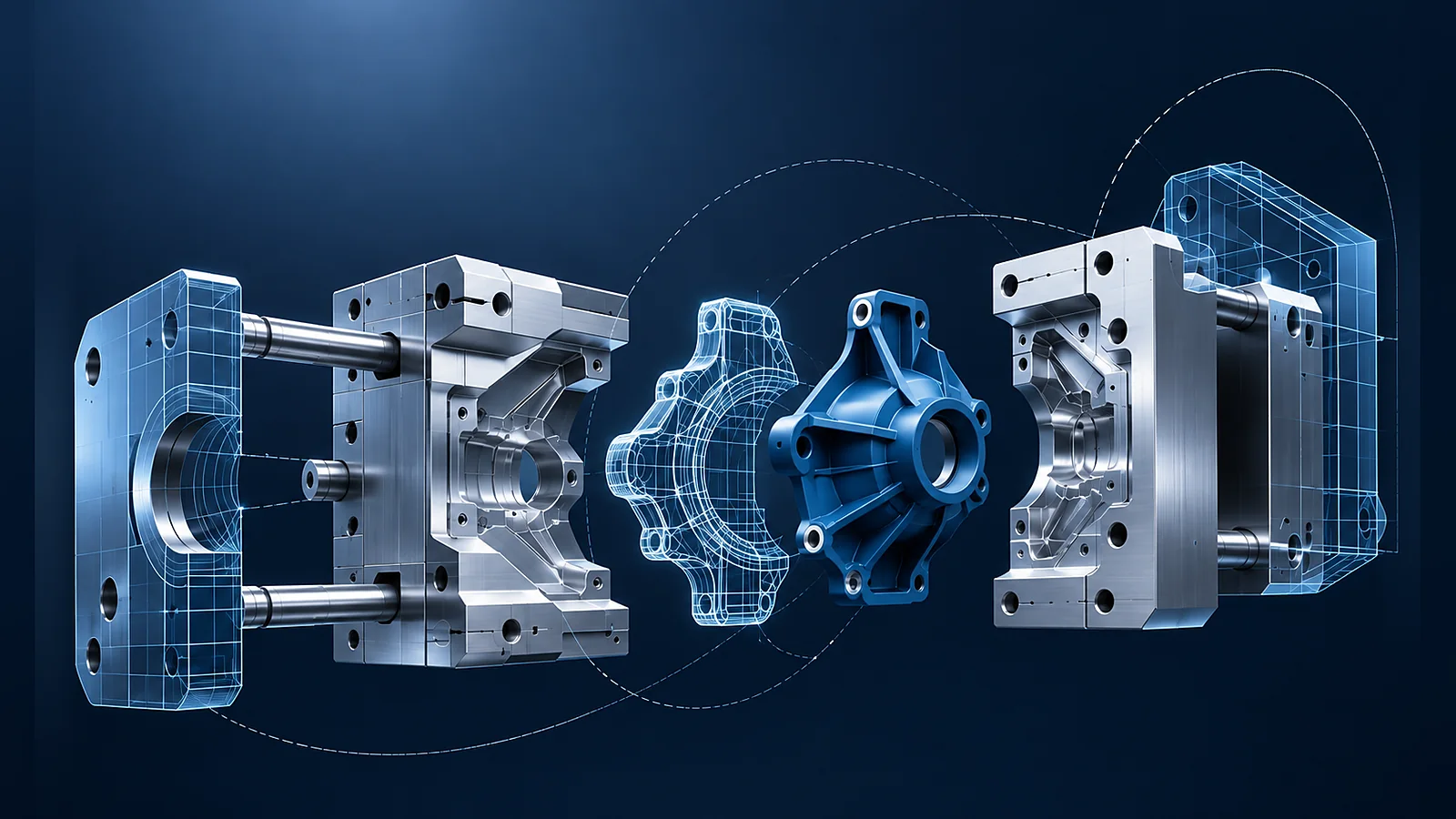
Illustration of mold tooling in an exploded view, with the molded part shown as a wireframe and as a finished blue part

Manufacturing Problem Solving & Engineered Solutions

Most manufacturing challenges begin with a problem, not a drawing.

JEL works with customers to understand operating parameters, evaluate requirements, and develop engineered solutions where additive manufacturing presents a suitable opportunity.

Typical Applications

  • Production challenges
  • Custom tooling
  • Material handling
  • Quality-related applications
  • Specialized operational requirements
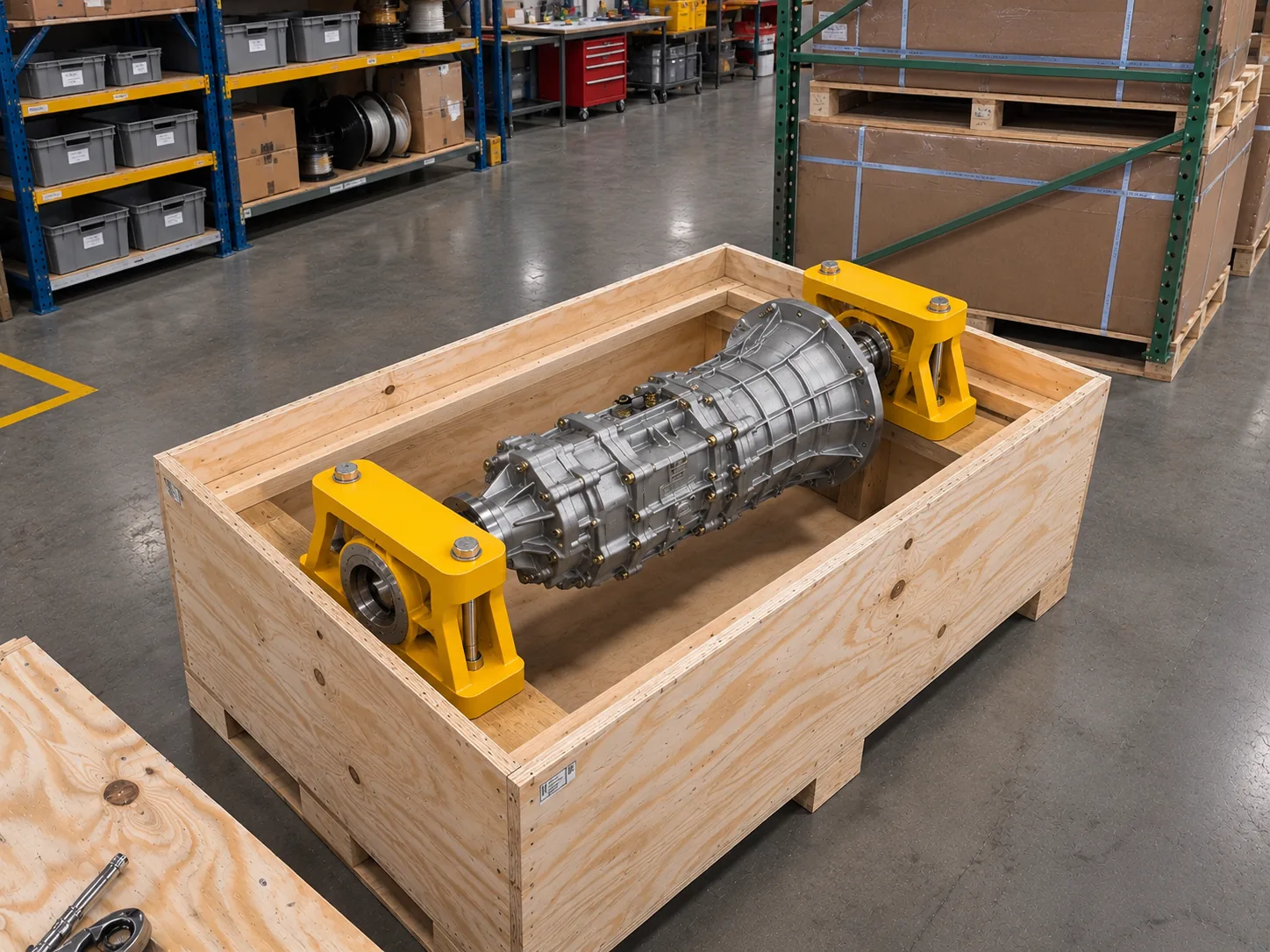
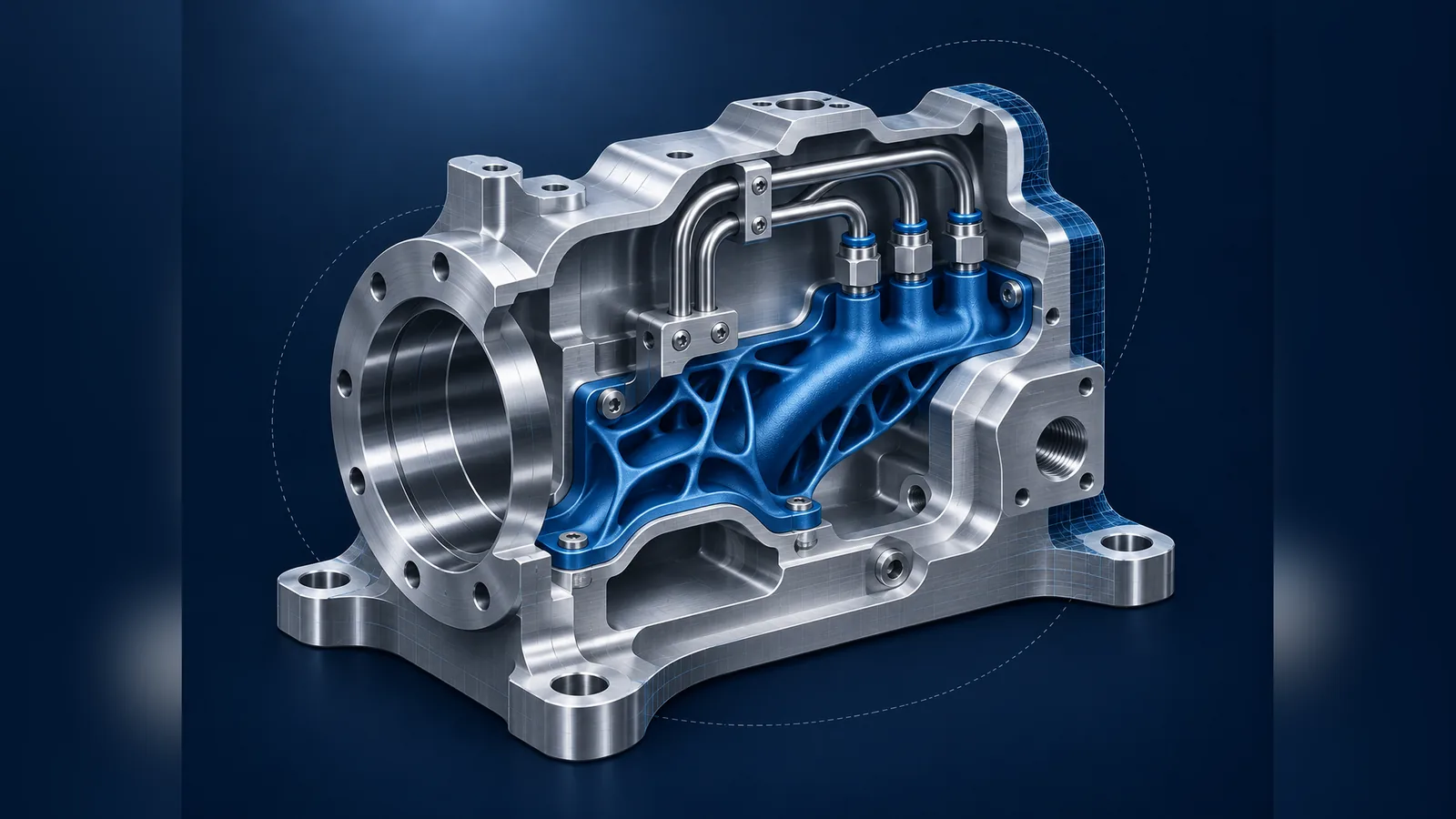
Illustration of a custom housing component with a lattice panel, part machined metal and part shown as a blue design model

Additive Manufacturing & Custom Components

When a specialized component is needed, design decisions, material selection, and manufacturing requirements matter.

JEL develops, designs, and manufactures custom components, tools, fixtures, and production applications around the intended use, with design evaluation and refinement where appropriate.

Typical Applications

  • Custom components
  • Production tooling
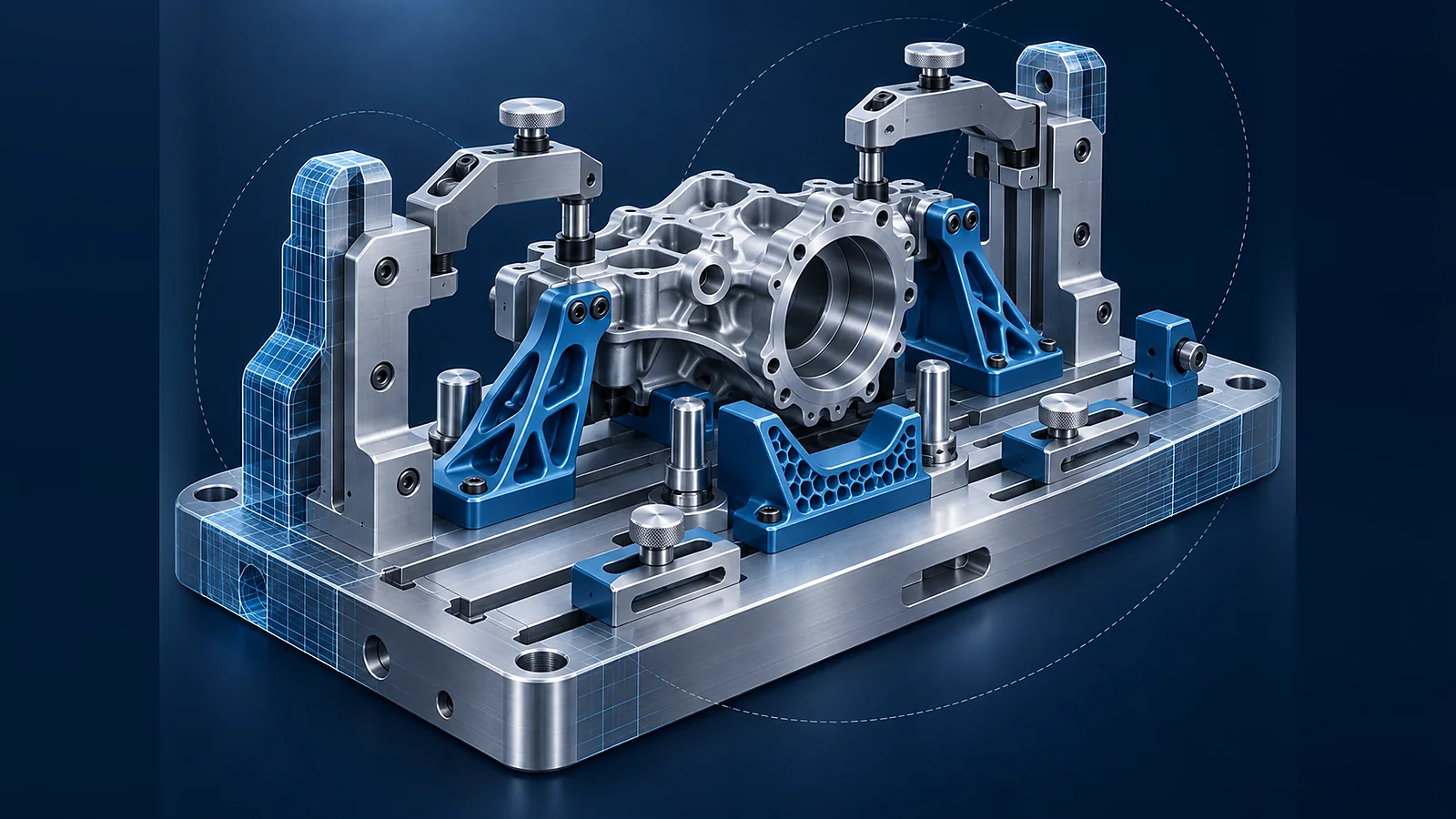
  • Specialized fixtures
  • Replacement parts
  • Application-specific manufacturing
Illustration of a production fixture with clamps and blue supports holding a metal part on a base plate

Production Support & Continuous Application Improvement

A successful application may create opportunities beyond the initial project.

JEL works with customers to support appropriate repeat production, refine existing designs, and explore related applications as manufacturing needs evolve.

Typical Applications

  • Repeat component production
  • Design revisions
  • Application refinements
  • Ongoing technical collaboration

Real Challenges. Engineered Applications. Practical Impact.

See how engineering-led additive manufacturing takes shape in real manufacturing applications.

The value of an engineered component is determined by more than its shape.

It depends on what the application needs to accomplish, the conditions in which it will operate, and how it fits into the broader manufacturing process.

These JEL applications illustrate how engineering judgment and additive manufacturing can come together to address specialized industrial requirements.

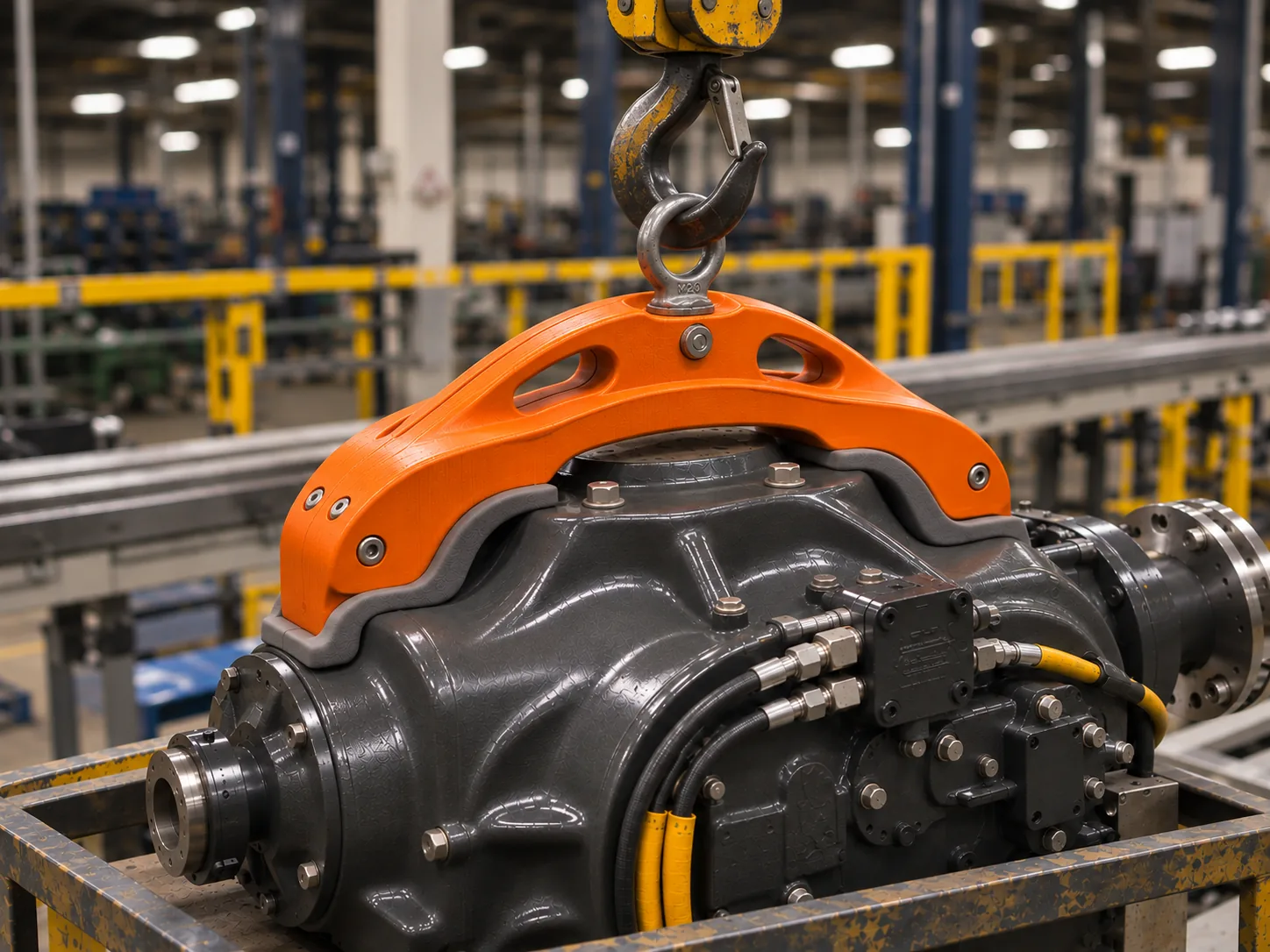
Transmission assembly held by two yellow additively manufactured transport supports inside a wooden crate

Material Handling & Transport

Engineered Protection

Large industrial assemblies can present specialized handling and transportation requirements.

JEL develops custom transport supports designed around the needs of a particular application, demonstrating how additive manufacturing can be used to construct purposeful components with application specific reinforcements.

More Than the Part.

The right solution starts with understanding what the application needs to accomplish.

A component can meet its design specifications and still leave a manufacturing challenge unoptimized.

That's why JEL looks beyond the immediate part or production request.

We consider how a component fits into the operation, what constraints shape its performance, and whether a different design or manufacturing approach could better serve the intended application.

Our practical and engineering-led perspective helps connect the requirements of the shop floor with the possibilities of additive manufacturing.

  1. Understand the Operation

    We consider the manufacturing environment, operating conditions, and practical requirements that influence how a solution needs to work.

  2. Apply Engineering Judgment

    We evaluate design requirements, technical constraints, and potential alternatives rather than assuming the initial design is the only possible solution.

  3. Leverage Additive Manufacturing

    We explore opportunities where additive manufacturing may provide useful and cost-effective advantages in customization, part geometry, design flexibility, or production methods. Our products save businesses money.

  4. Focus on Practical Application

    We routinely collaborate with customers to develop and evaluate solutions for their intended use, with project requirements and validation responsibilities established along the way.

From Operational Challenge to Engineered Solution.

A collaborative process grounded in engineering, practical evaluation, and decades of experience.

Good solutions begin with the right questions.

JEL works with customers to define challenges, understand application requirements, and evaluate whether additive manufacturing offers an appropriate path forward.

Our systematic process connects engineering and manufacturing decisions with the needs of the operation, from early exploration through application evaluation and agreed implementation support.

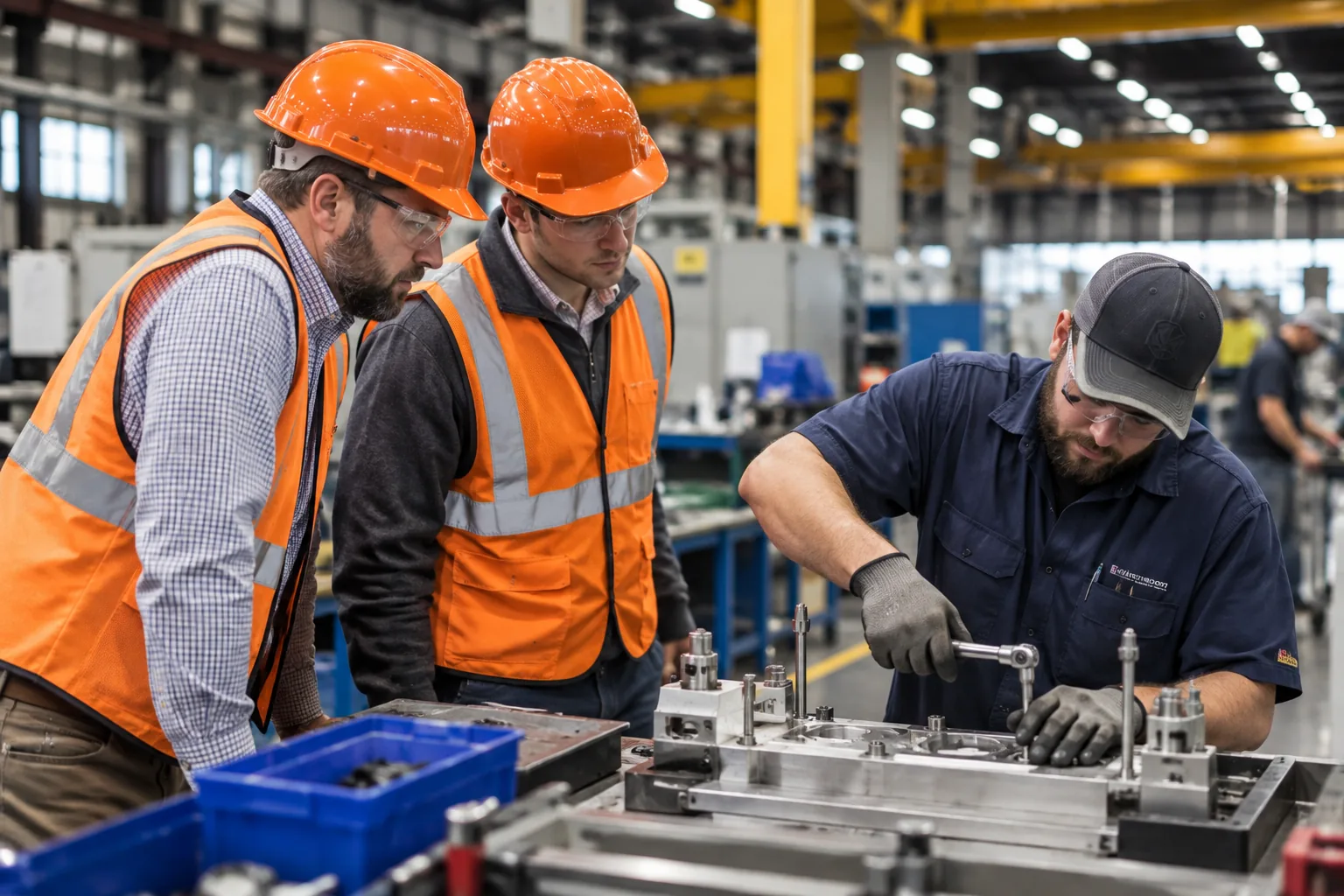
  1. Engineers in safety vests observing a technician working on a fixture on the shop floor

    Step 1: Understand

    Identify the challenge, operating environment, performance requirements, and desired outcome.

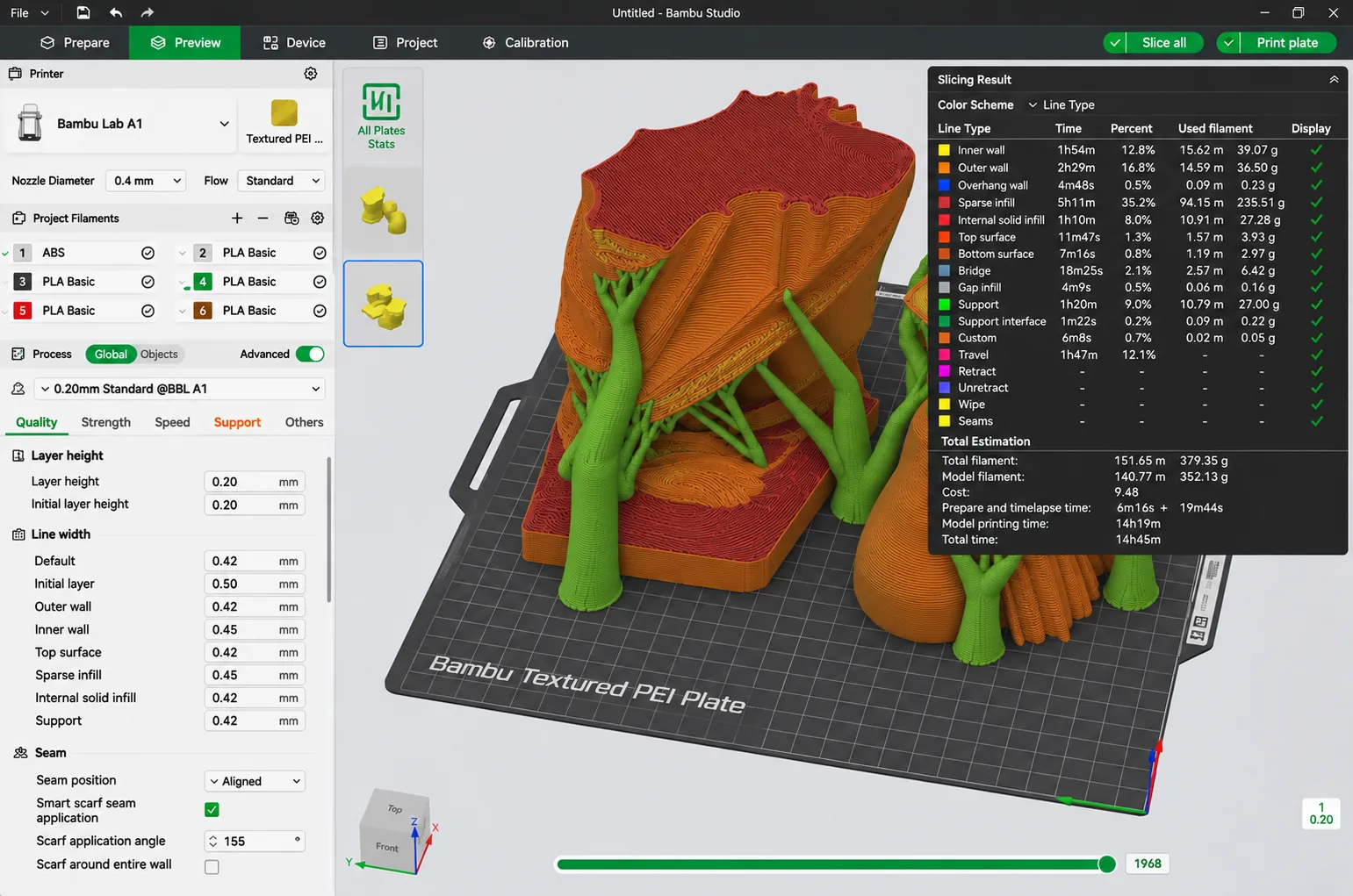
  2. Slicing software preview of a part with support structures, prepared for additive manufacturing

    Step 2: Engineer

    Evaluate technical options, develop an appropriate design approach, and consider application-specific requirements.

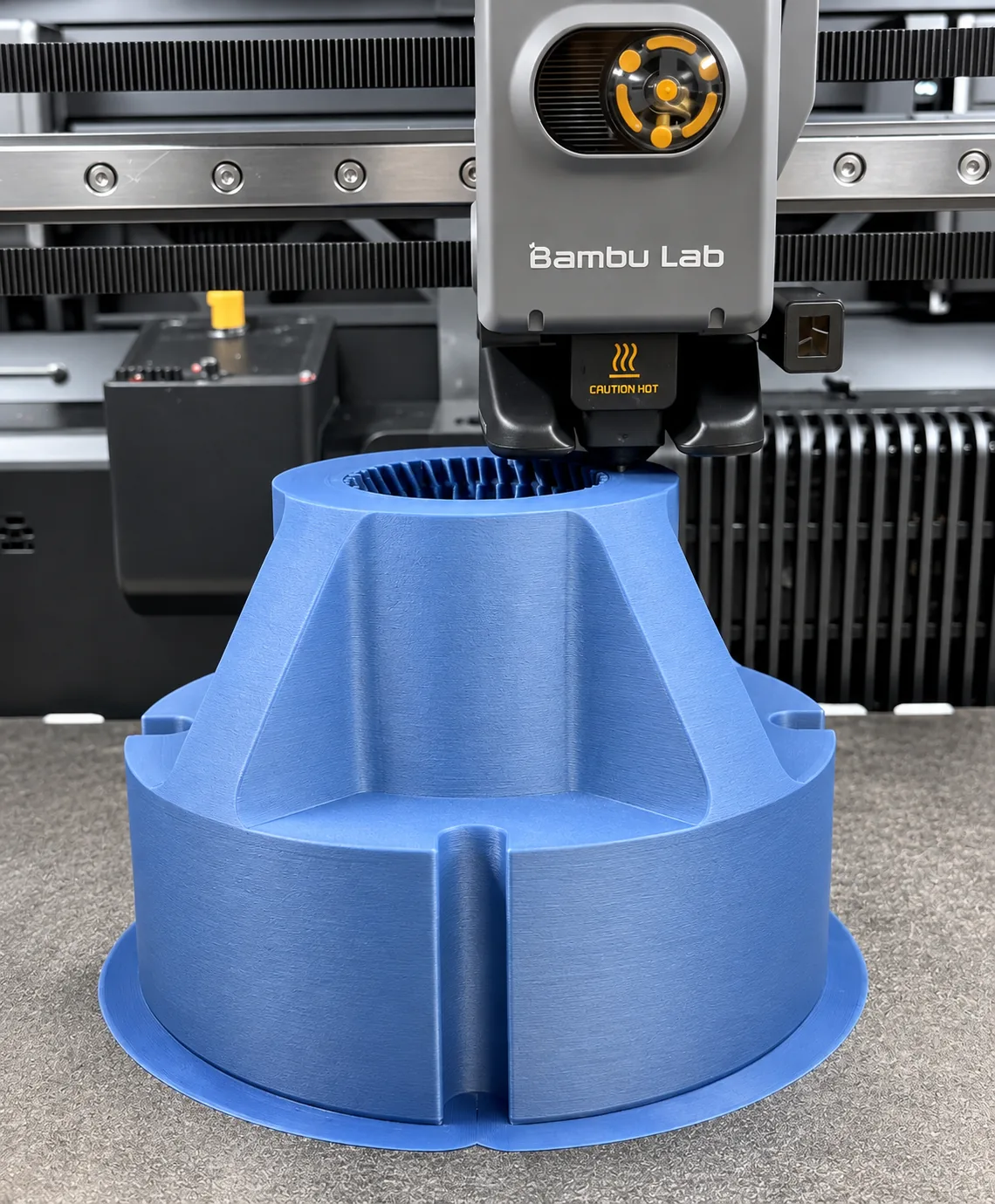
  3. Blue component being built on a Bambu Lab 3D printer

    Step 3: Manufacture

    Produce the authorized application using suitable manufacturing methods and materials.

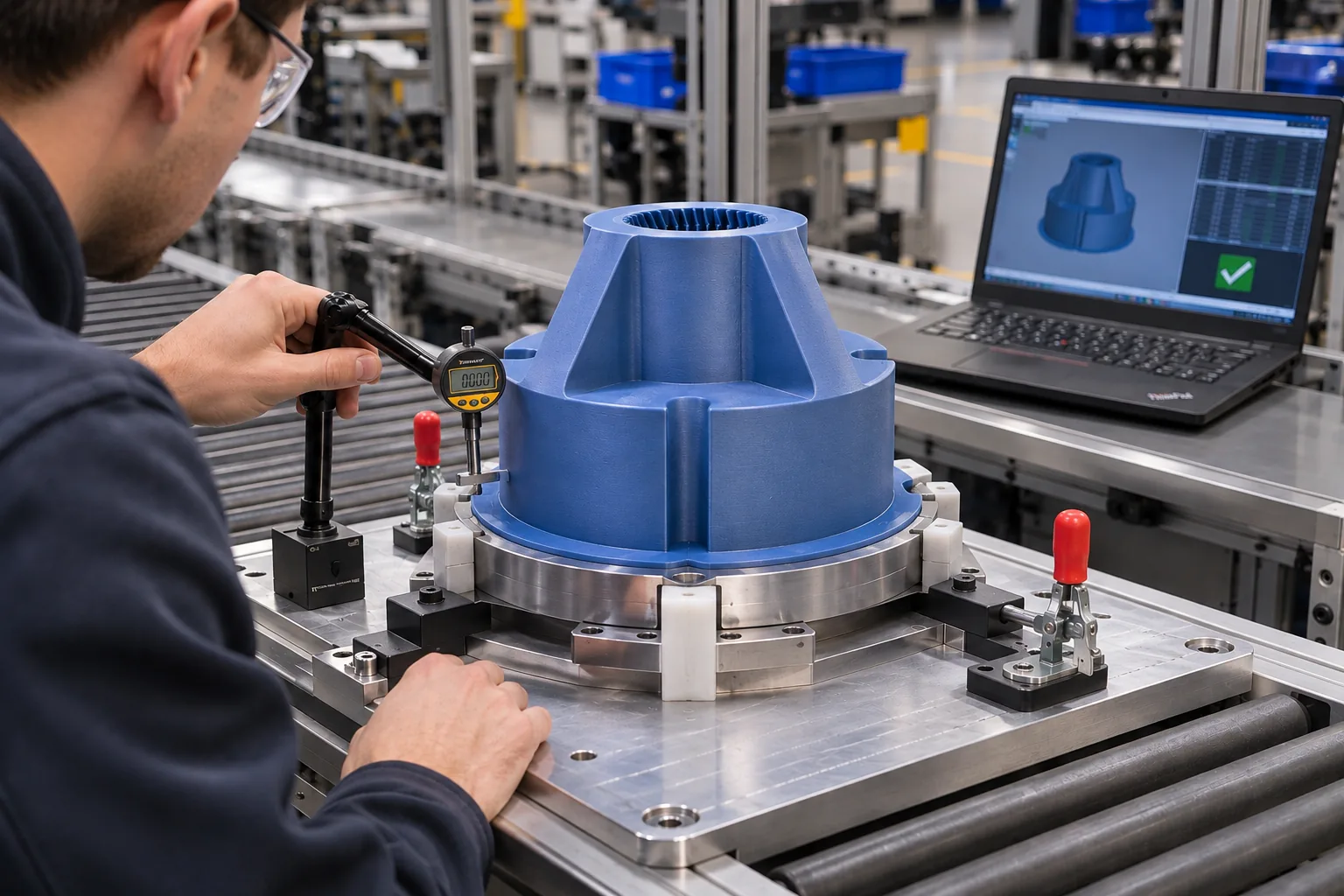
  4. Technician measuring a blue additively manufactured part with a dial indicator beside a laptop

    Step 4: Validate

    Evaluate the application against agreed requirements and coordinate appropriate customer testing and review.

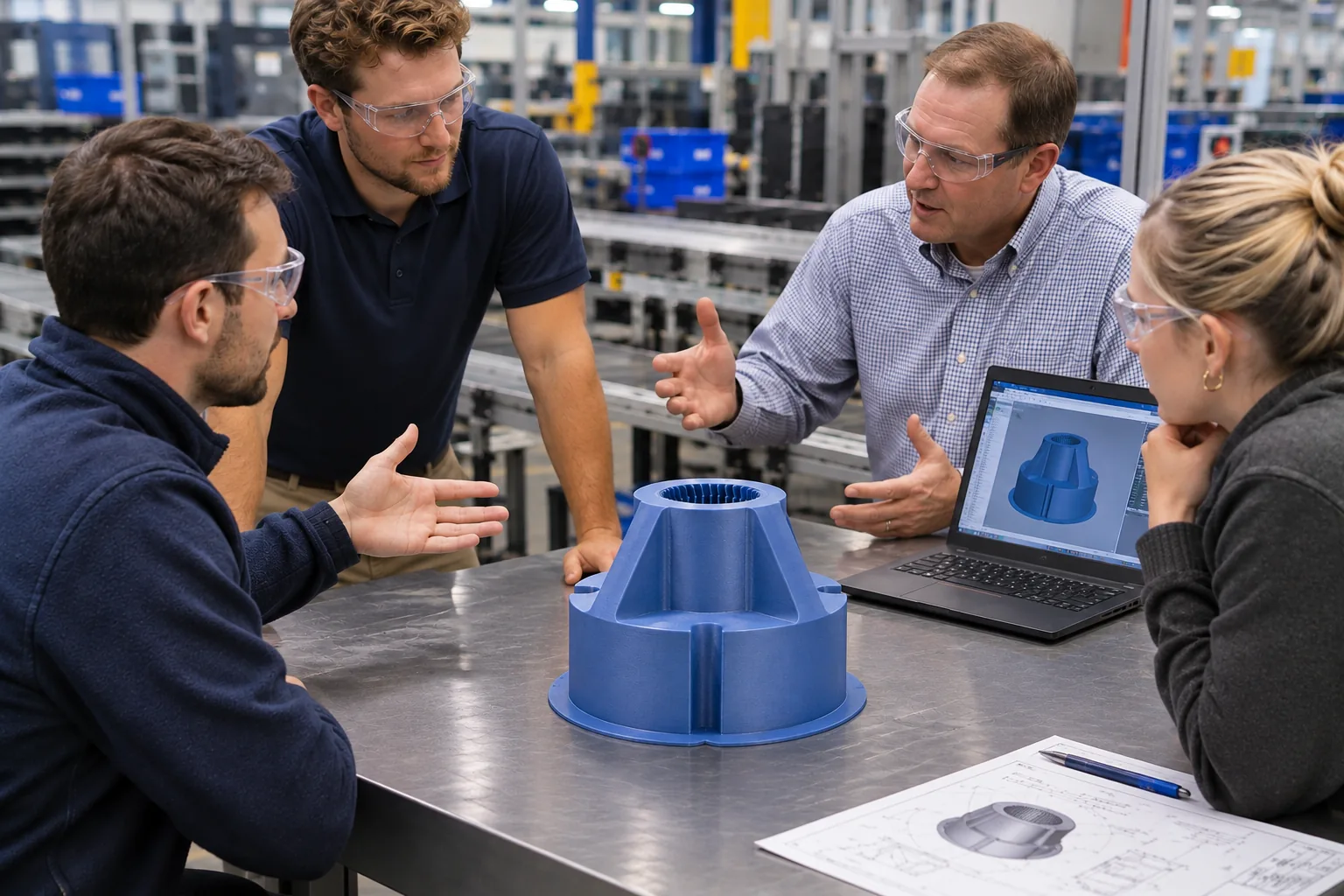
  5. Team discussing a blue additively manufactured part with its CAD model and drawing on the table

    Step 5: Support

    Assist with agreed implementation needs, design refinements, or subsequent production where appropriate.

Manufacturing Experience. Engineering Perspective.

The people and practical knowledge behind JEL Solutions.

JEL Solutions is a family-owned and operated business built around manufacturing experience, engineering expertise, and a commitment to practical problem solving.

Our team brings complementary perspectives from manufacturing operations, engineering, additive technology, and business leadership.

That experience shapes how we approach customer challenges.

We understand that a manufacturing decision rarely affects just one component. It can influence the people who use it, the process around it, and the broader requirements of the operation.

We bring that perspective to our work, collaborating with customers to identify applications that make technical and practical sense.

Built on experience. Focused on what works.

What Manufacturing Challenge Are You Working Through?

Whether you're exploring a potential solution or have a specific part in mind, start the conversation with JEL.

You don't need to have every answer before reaching out.

If you're dealing with a production challenge, a specialized component requirement, or an application that could benefit from a different approach, tell us what you're working on; where your pain points are, where you would like to see improvement.

We'll review the information you share and work with you to determine an appropriate next step.

Have a Manufacturing Challenge?

Tell us about the production issue, operational requirement, or improvement opportunity you're exploring.

Have a Part or Project in Mind?

Share the component, application, or manufacturing requirements you'd like JEL to review.

Not sure which option fits? Choose the one that best describes your situation. We'll help direct the conversation.

OR… Just let us look around, invite us for a go and see. We will more than likely see things that you don't or haven't even considered as possible.